
Elizabeth Troyes
About the Producer
Elizabeth Troyes has been producing coffee for more than 20 years and has been dedicated to specialty coffee since 2019. Her farm, Finca Romerillos, is located just under 2,000 metres above sea level in Jaén, northern Peru. The five-hectare farm has four hectares planted with coffee and is managed by Elizabeth and her husband, Nevado.
The farm is managed by Elizabeth who oversees all processing and drying while Nevado takes responsibility for most of the agricultural work. Their dedication to quality has earnt them several awards including first place in a regional competition in 2024 and second place in 2025. Their coffees have also placed among the top 20 in Peru’s prestigious Cup of Excellence competition.
Elizabeth continues to invest in the farm’s infrastructure and refine her processing techniques. She also separates her coffee by variety, allowing her to better understand and highlight the characteristics of each one.
Coffee has played an important role in Elizabeth’s family, helping her put her children through university, where they are currently studying agronomy. She hopes that one day they will return to Finca Romerillos and continue the family business, carrying its legacy into the next generation.
Visiting the Farm
We were first introduced to Elizabeth through the exporter and importer Caravela. Her coffees had been a consistent feature in our Super Nature Espresso, and Caravela recommended that we visit the farm and meet her in person. Elizabeth also produces smaller, higher-quality lots that we could potentially use for our filter coffees.
With the local airport in Jaén closed at the time of our visit, getting to the farm was not easy. After an internal flight from Lima to Chiclayo, it took us more than ten hours to drive into Jaén and the high mountains of San Antonio, where the farm is located. The landscape becomes increasingly rugged as you climb, and the final three hours of the journey involved navigating muddy tracks and hanging onto the sides of pickup trucks. The views, however, were stunning.
Compared with the coffee-producing regions we have visited in Colombia, where some areas felt heavily deforested and intensively farmed, this part of Peru was much more forested and green. Much of the coffee is grown under shade trees, which is beneficial for the local ecosystem, and there also seemed to be a broader mix of crops, with cacao and citrus fruits particularly common.
When we arrived at the farm, Elizabeth and Nevado greeted us, and it was immediately clear how proud and passionate they were about their land and their coffee. Like most of the farms we visited in Peru, the coffee trees are planted on almost vertical slopes. Elizabeth, however, casually walked among the trees without missing a step as she showed us around. The farm grows Caturra, Yellow Bourbon and Gesha, each planted in separate plots. All the coffee is produced using organic practices, and Elizabeth is extremely methodical in how she manages the farm.
At the time of our first visit, the processing and drying facilities were quite basic, with old machinery and limited space being a problem for the volume of coffee they were producing. Since then, Elizabeth has upgraded her depulper, which she won through a regional coffee competition, and expanded her drying area, allowing her to process larger quantities at a time. In the near future, she plans to build raised drying beds, giving her even greater control over the drying process.
Access to the farm remains one of the biggest challenges. Elizabeth is also looking to secure investment to improve the road, which frequently floods and can make travelling to and from the farm extremely difficult. Improving this infrastructure would make a significant difference, both to the farm and to her ability to move coffee in and out of the area.
One of the highlights of the trip was brewing some of Elizabeth’s coffee for her and Nevado, coffee from their own farm that we had roasted back in Ireland. Unlike most producers we have met in Peru, Elizabeth regularly drinks her own coffee, partly because of her involvement in local coffee competitions.
Tasting the coffee with her was interesting. We were surprised by how critical she was of the coffee and how readily she suggested ways she could adjust the processing to improve it further. It offered a great insight into how seriously she takes both the quality of her coffee and the process of continually refining it.
Processing
Washed
Most of the coffee produced on the farm is processed using an unconventional washed method that Elizabeth has developed over several years. The coffee is first fermented as whole cherries for two days before being depulped. It is then placed in sealed plastic bags and fermented for a further two days before being washed and dried.
The process has evolved through years of experimentation and feedback from regional coffee competitions. Elizabeth has refined the method based on how the coffees perform in the cup, and she feels it works particularly well with the varieties she grows and the climate on the farm. The extended fermentation stages help give the coffees greater body and complexity while retaining the clarity and character we look for in a washed coffee.
Natural
Following our visit in 2025, we asked Elizabeth if she would be interested in producing a small amount of coffee using the Natural process for our All Natural Filter coffee. As this was a new process for the farm, we took on the risk of the experiment and committed to buying the coffee regardless of the outcome. Thankfully, the results were excellent, and in 2026 we roasted the first Natural coffee produced at Finca Romerillos.
For this lot, the coffee was dried as whole cherries on large tarps inside a solar dryer. The cherries took around 30 days to dry, although drying times for future lots will depend largely on the weather and conditions during harvest.
It was exciting to see Elizabeth produce a completely different style of coffee from the same farm. The success of this first Natural lot has opened up another avenue for experimentation and gives us the opportunity to expand our offering from Finca Romerillos.
Transparency
The prices for all coffee we purchase from Finca Romerillos are negotiated directly with Elizabeth. The price varies from year to year, depending on her production costs, the quality of the coffee and the level of profit she needs to earn.
Once the coffee has been dried, Elizabeth delivers it to Caravela’s warehouse in Jaén. The coffee is assessed for quality, and she is paid in full within two weeks of delivery. From that point onward, Caravela is responsible for financing the coffee and managing all logistics involved in milling, exporting and shipping it to Dublin Port. Caravela also assumes responsibility for the coffee and the risk of any damage or deterioration during transport.
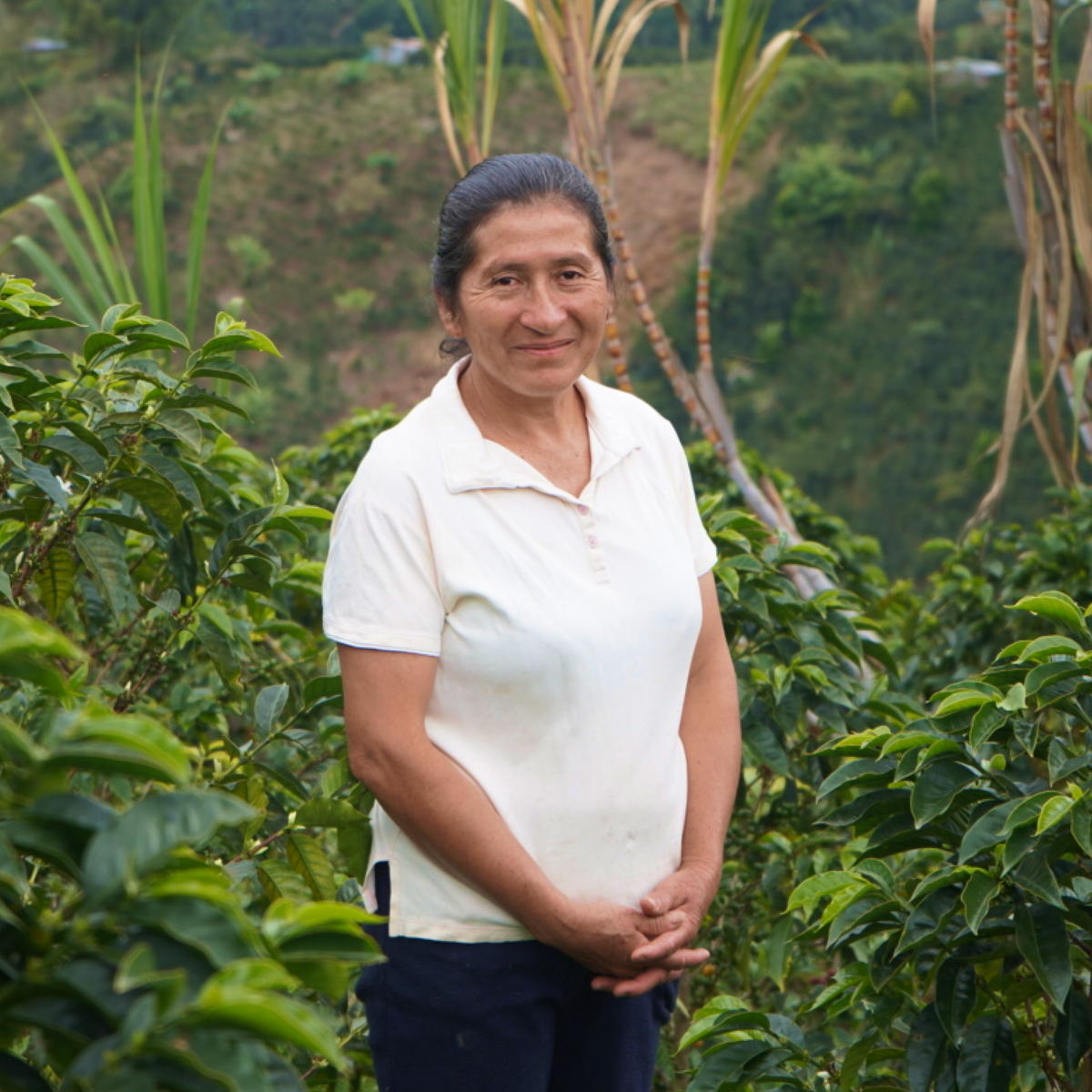
Elizabeth Troyes
Elizabeth had been supplying organic coffee for our Super Nature Espresso for a few years before we visited her farm in 2025. The quality of her coffee is outstanding, and we have since purchased smaller, variety specific lots to roast separately.

Alcidez Avendaño
We began buying from Alcidez in 2022 and visited his farm in Huila the following year. Alcidez is the first farmer we met in person and since 2023 we’ve been able to have open and honest conversations about quality and pricing. His coffees are exceptionally clean and complex, and the work we have done around pricing with this producer is one of our proudest achievements to date.
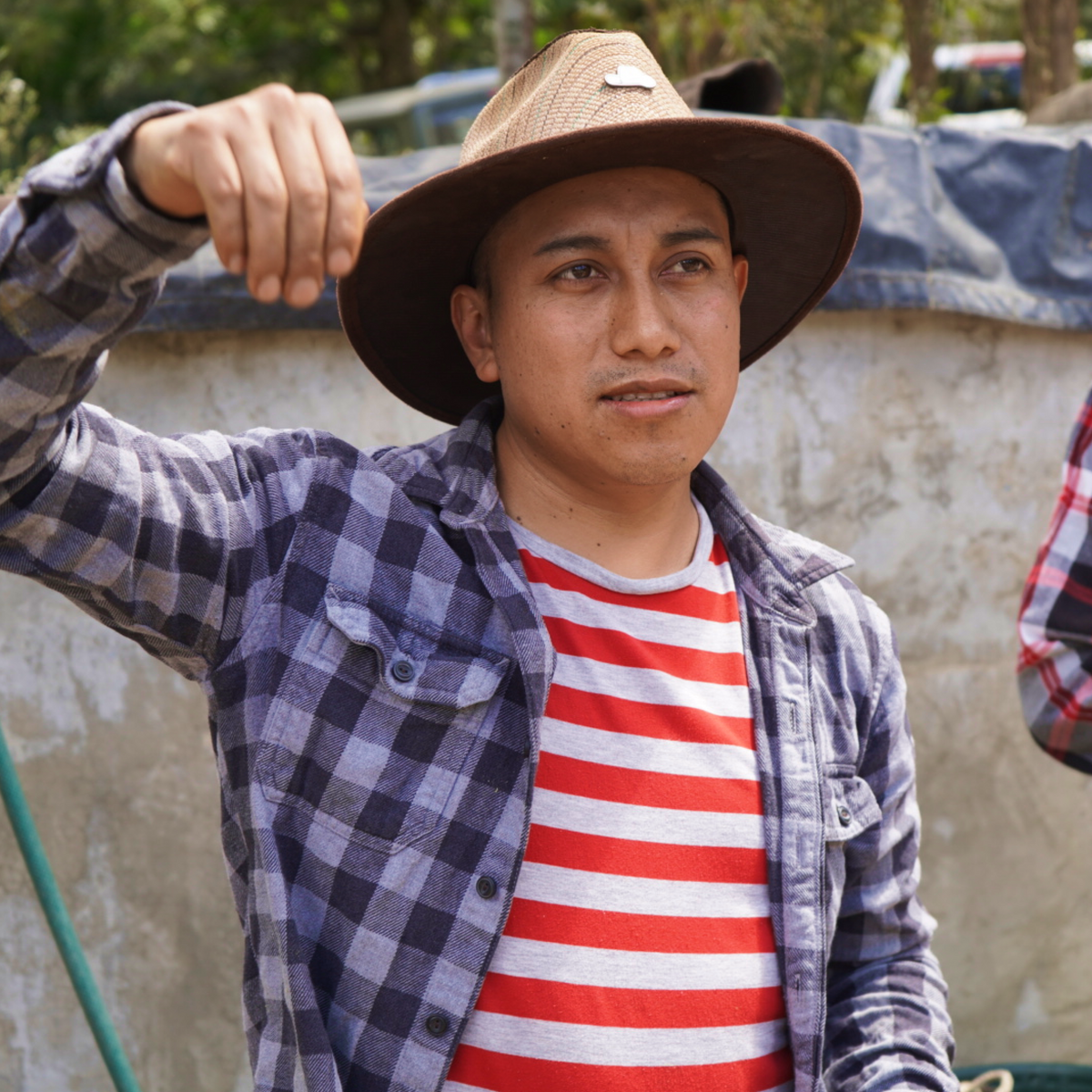
Gildardo & Edy Rivas
Gildardo and Edy Rivas are brothers growing coffee in Huehuetenango, Guatemala. They have been supplying coffee for our Teamwork Espresso since 2023, and we visited their family farm in 2025. The coffees they produce are exceptionally clean, sweet and beautifully processed and every year we look forward to buying as much of their production as possible.
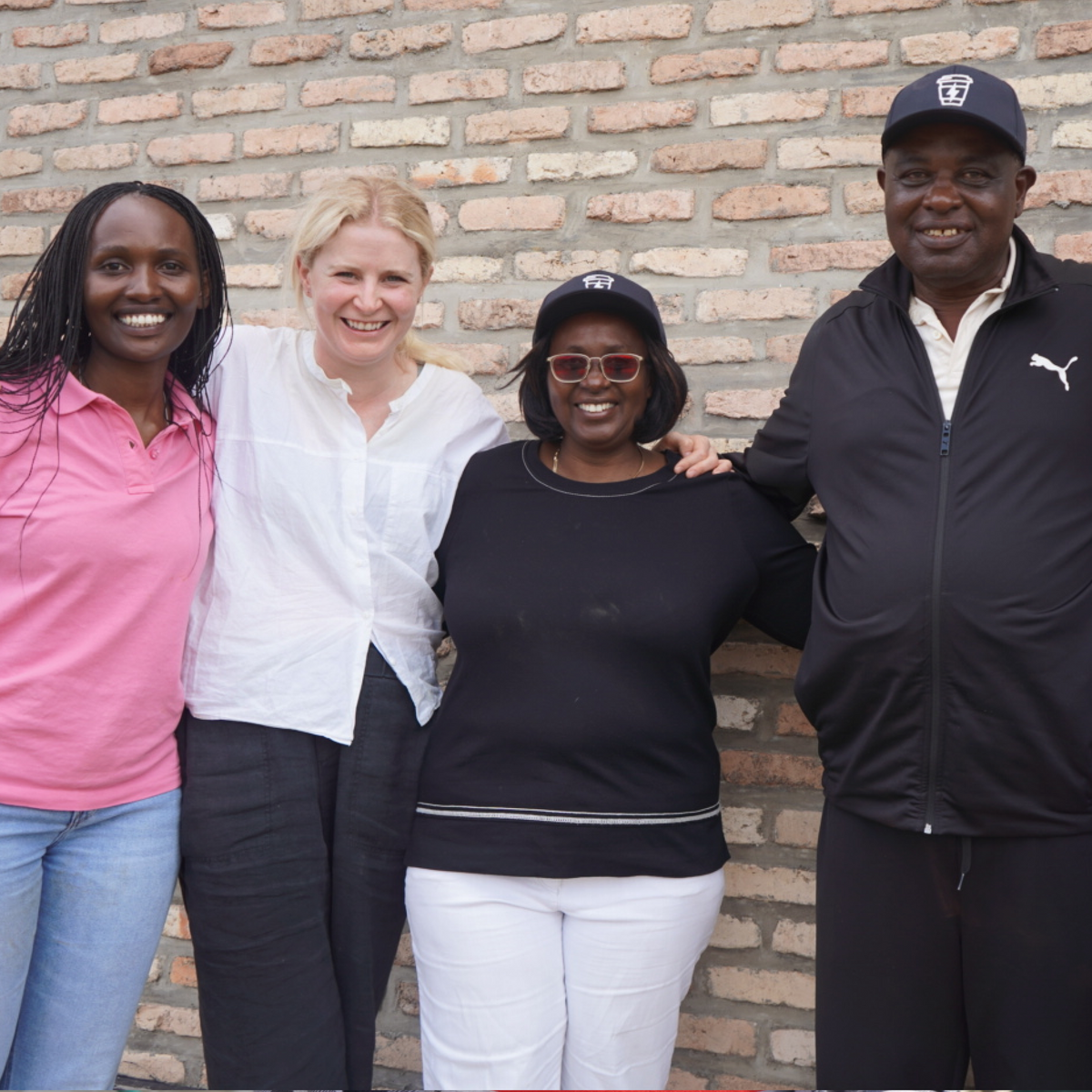
Rwamatamu
Owned by Gaston and Leticia, Rwamatamu is a washing station in the Western Province of Rwanda. We began sourcing coffee from Rwamatamu in 2023 and visited the washing station the following year. As well as farming and processing their own coffee, Gaston and Leticia also hold an export licence. This allows us to buy coffee from this country with fewer intermediaries, while paying higher prices for the coffee they produce.